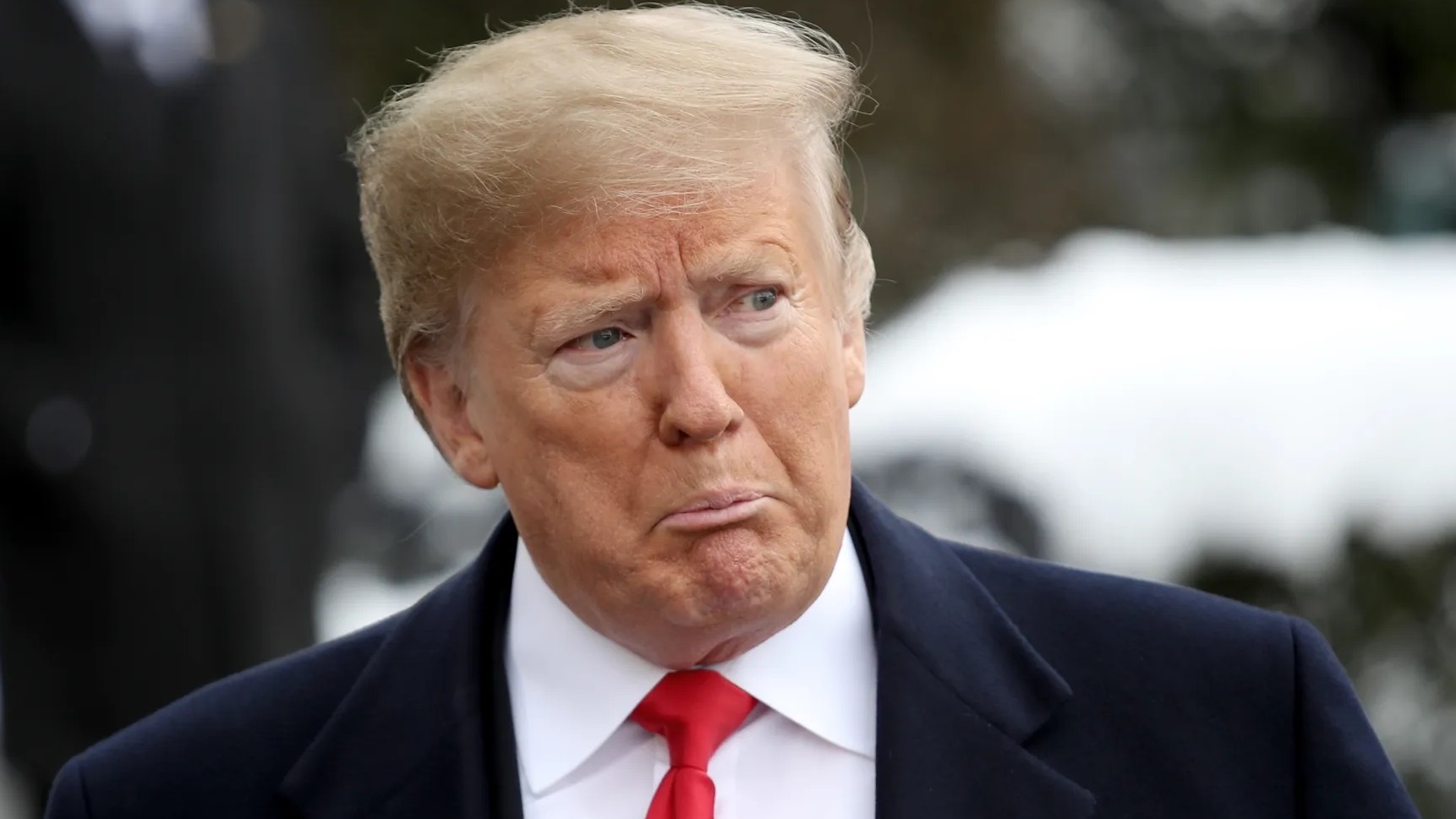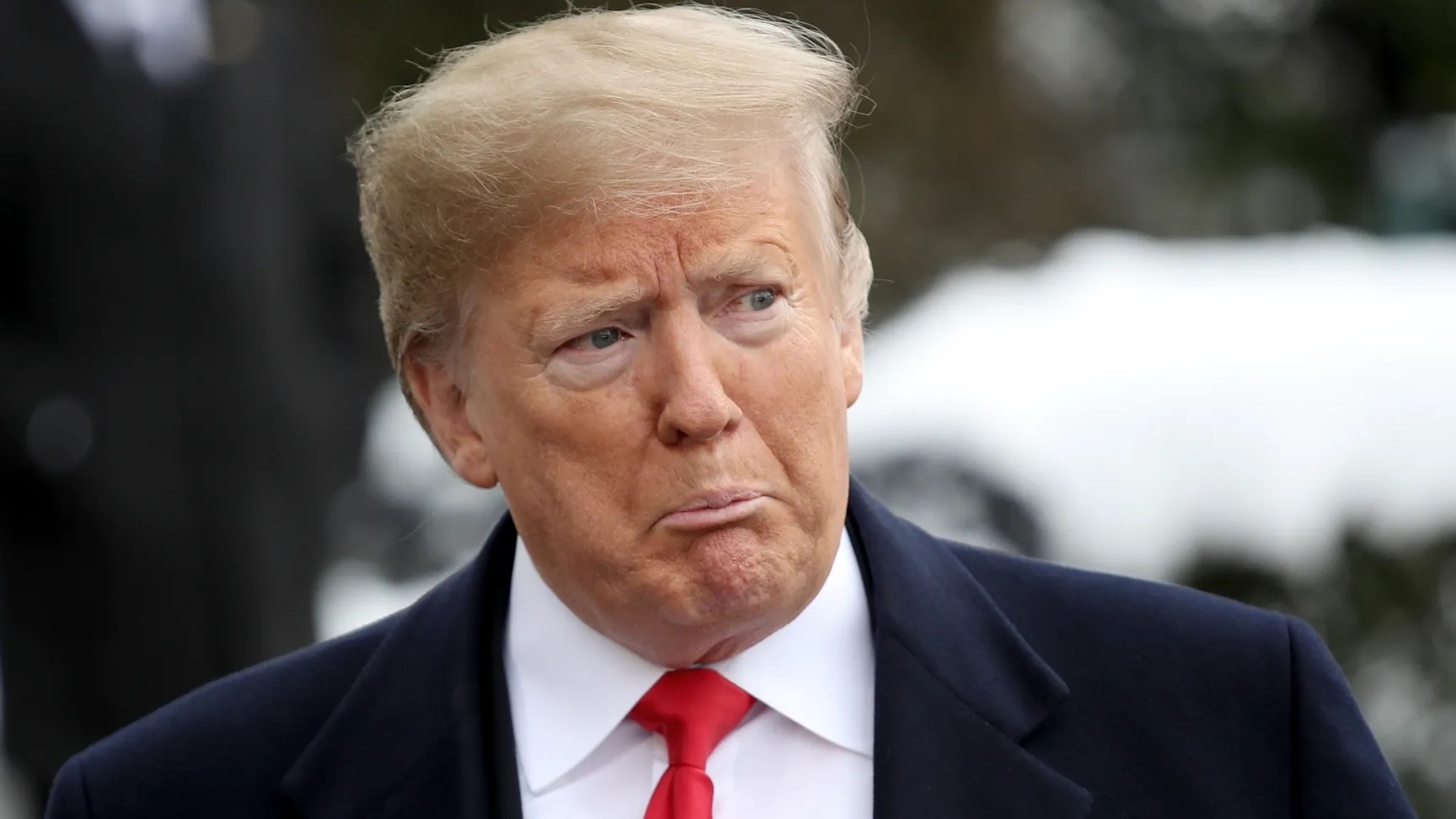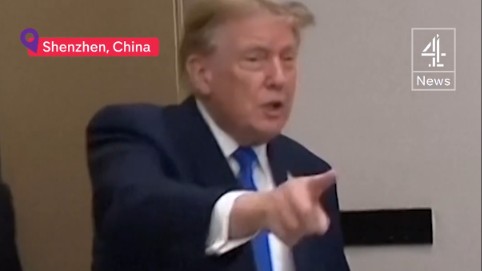




Donald Trump, Xi Jinping and Vladimir Putin have gathered in Shenzhen, China for the annual Asia-Pacific Economic Cooperation (APEC) summit, one of the world's most influential forums for economic and trade cooperation.
The summit brings together leaders from 21 economies across the Asia-Pacific region, representing a significant share of global trade, economic output and investment flows. Discussions are expected to focus on economic growth, trade, supply chains, technology, energy security and regional stability.
The meeting has attracted particular international attention because it brings together the leaders of the United States, China and Russia at a time of heightened geopolitical tensions and growing competition among major powers.
According to media reports, President Trump warmly greeted Russian President Vladimir Putin during the summit and referred to him as “my friend.” The two leaders met on the sidelines of the gathering ahead of broader discussions also involving Chinese President Xi Jinping.
Political analysts say the public display of cordial relations between Trump and Putin could be viewed as a symbolic diplomatic success for Moscow, which has faced years of political isolation and sanctions from Western countries.
The leaders are also expected to discuss a range of international issues, including global economic uncertainties, trade relations, regional security challenges, ongoing conflicts, energy markets and strategic competition among major powers.
For China, hosting the summit provides an opportunity to present itself as a leading economic and diplomatic actor in the Asia-Pacific region. For the United States and Russia, the gathering offers a rare venue for direct engagement with both allies and rivals at a time of significant shifts in the international order.
While no major agreements have yet been announced, observers say the meetings between Trump, Xi and Putin could shape future discussions on trade, security and diplomatic relations far beyond the Asia-Pacific region.