


A coalition of human rights activists has expressed concern over reports of technical discussions between France and the Taliban regarding the return of Afghan nationals, urging European governments to suspend both political and technical engagement related to deportations.
In a statement, the group argued that negotiations concerning the removal of Afghan migrants could conflict with international human rights standards and protections for asylum seekers.
According to the activists, the absence of an independent judiciary and fair trial guarantees in Afghanistan increases the risk that returnees could face arbitrary detention, persecution, mistreatment, or other human rights violations after their return.
The coalition called on European governments not to return asylum seekers to Afghanistan without an independent, individual assessment of their security situation and protection needs.
The group also suggested that, where removals are legally required, authorities should explore alternatives through third countries while ensuring adequate legal and human rights safeguards.
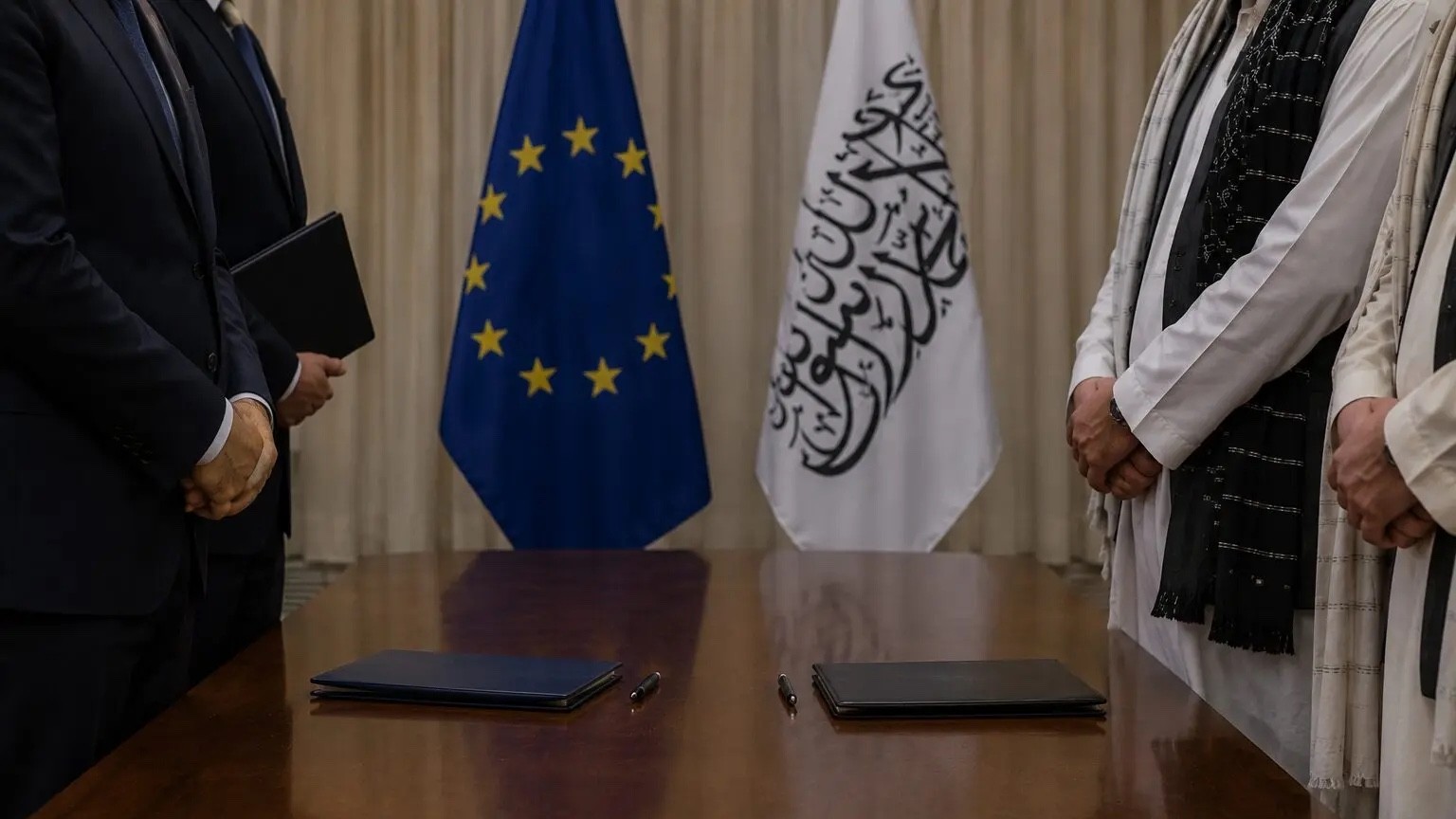
The statement comes after Laurent Nuñez, France's interior minister, told the French parliament on November 2 that authorities were engaged in technical discussions with the Taliban regarding the return of certain Afghan nationals who do not have legal residency status in France and whom authorities consider a public security concern.
French officials have stressed that such discussions do not amount to formal recognition of the Taliban administration.
The French Ministry for Europe and Foreign Affairs has also stated that asylum seekers and Afghan women would not be included in any such return arrangements.
Human rights organizations, including Human Rights Watch, have previously warned that the forced return of Afghans could expose them to persecution, abuse, and other rights violations.
The coalition concluded that efforts to address irregular migration should not come at the expense of the safety, dignity, and fundamental rights of refugees and migrants.