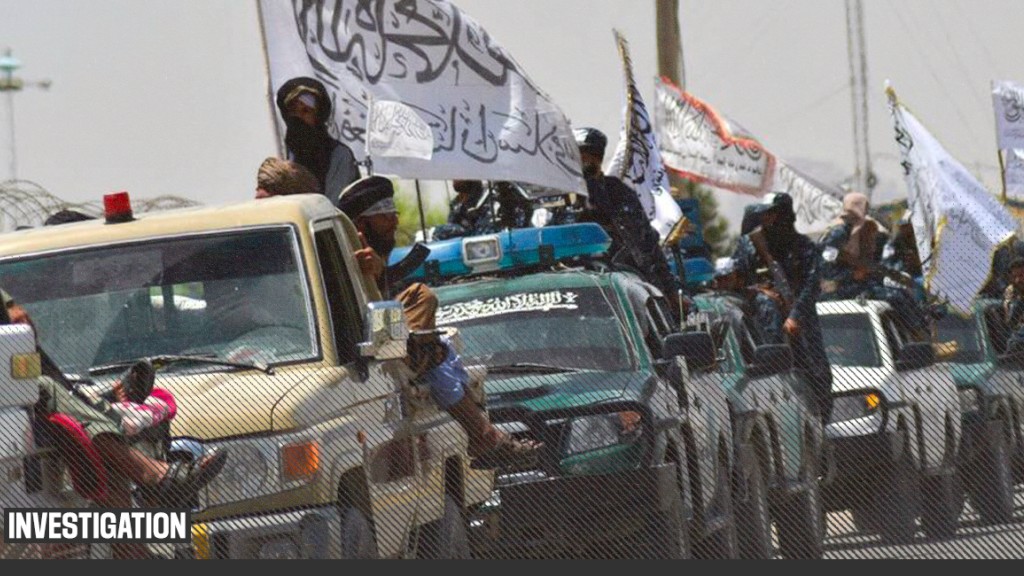


Reporters Without Borders (RSF) has published a new investigation alleging that a specialized Taliban intelligence unit known as “Bureau 015” plays a key role in monitoring journalists, restricting media freedom, and enforcing censorship across Afghanistan.
According to the report, Bureau 015 operates under the Taliban's General Directorate of Intelligence (GDI) and has been involved in monitoring media content, summoning journalists for questioning, conducting raids on media outlets, and overseeing arrests of reporters since the Taliban returned to power in August 2021.
RSF says it documented testimonies from Afghan journalists, some speaking anonymously for security reasons, who described intimidation, detention, interrogations, and in some cases torture after publishing reports considered critical of the Taliban.
One journalist cited in the report said Bureau 015 focuses specifically on journalists and media organizations, while another claimed reporters are pressured to avoid coverage of women's rights, poverty, security incidents, and criticism of the Taliban administration.
According to RSF, at least 74 journalists have been arrested or detained in Afghanistan since August 2021, with detention periods ranging from days to years.
The report also alleges that Taliban authorities have expanded efforts to influence information online. RSF says the intelligence unit is involved in monitoring social media, promoting pro-Taliban narratives, and conducting online influence campaigns.
The organization further cited previously published documents suggesting that networks of social media accounts have been used to amplify Taliban messaging, undermine critics, and shape public opinion.
According to RSF, Hamdullah Fitrat, a Taliban spokesperson, rejected allegations of arbitrary arrests and mistreatment, insisting that intelligence agencies operate within the law.
However, RSF argues that documented incidents, media closures, arrests, and restrictions on reporting indicate a continuing deterioration of press freedom in Afghanistan.
The organization says the findings reinforce concerns about censorship, intimidation, and pressure directed at independent journalists across the country.