Why Are Afghanistan’s Foreign Reserves Still Frozen?
Afghanistan's foreign exchange reserves became a major international issue after the Taliban returned to power in August 2021. At that time, Afghanistan's central bank, Da Afghanistan Bank (DAB), had billions of dollars in foreign reserves held outside Afghanistan. The United States froze approximately $7 billion of Afghan central-bank assets held in the United States, after a year in September 2022, approximately $3.5 billion of Afghan central-bank reserves were transferred into the newly established Fund for the Afghan People, commonly called the Afghan Fund, a Swiss foundation headquartered in Geneva. The fund was designed to preserve the money and, under specified conditions, use it for the benefit of the Afghan people without placing it directly under Taliban control. The issue is economically important because these are not foreign donations. They are Afghan central-bank reserves. The central question is arises why are Afghanistan’s Foreign Reserve Still Frozen? how these reserves should be protected, invested, and eventually made available to Afghanistan while preventing misuse and maintaining international financial safeguards.
The Afghan fund's main objectives are to:
Protect and preserve Afghanistan's foreign reserves.
Maintain and increase the value of the reserves through investment.
Support Afghanistan's monetary and macroeconomic stability.
Make carefully controlled payments that benefit the Afghan people.
Eventually allow unused assets to return to Afghanistan's central bank if appropriate safeguards are established.
The fund is governed by a board consisting of two Afghan economic experts, a representative of the United States and a representative of Switzerland. The Taliban is not a member of the fund's governing structure.
The assets are held through the Bank for International Settlements (BIS) in Switzerland. BIS is an international financial institution that provides banking services to central banks and other official institutions. Switzerland itself has provided a legal framework intended to protect the fund's independence and assets.
The initial size of Afghanistan Foreign Reserve was about $3.5 billion. The money has been invested, the value has increased to 4.11 Billion in December 2025
More recent reporting from August 2026 put the fund's assets at approximately $4.19 billion, with cumulative profits of more than $661 million since its establishment. This is because Keeping the reserves invested has two major advantages:
1. Afghanistan does not lose the principal while negotiations continue.
2. The money continues generating investment income.
However, there is also an important disadvantage: Afghanistan's economy cannot freely use the capital or its investment income for ordinary economic activity while the restrictions remain in place.
If we think the $3.5 billion remains an important part of Afghanistan's financial wealth. Instead of being spent rapidly, the money has been preserved and grown.
This is particularly important because foreign-exchange reserves are normally used by a central bank to:
• support the national currency;
• pay for essential imports;
• maintain confidence in the banking system;
• manage balance-of-payments problems;
• provide liquidity during financial crises.
The reserve was frozen because of preventing the funds from being freely controlled by Afghanistan's current authorities. This is a major concern for the United States and other countries because of questions regarding central-bank independence, money laundering controls and terrorist-financing controls. On the other hand USA transfers weakly packages to the Taliban for controlling the terrorist groups in Afghanistan. This is very confusing dilemma that once they claim that the reserve is frozen from access of the Taliban but they financially support still Taliban in Afghanistan. The proper solution or the debate does not necessarily have to be between "keep everything frozen" and "give everything immediately to the Taliban regime." A third option may be economically more sensible which the Controlled release under international supervision is For example:
Keep a substantial portion as long-term central-bank reserves.
Return assets gradually rather than all at once.
Require independent international auditing.
Establish strict anti-money-laundering controls.
Maintain transparent reporting of every major transaction.
Allow reserves to support legitimate central-bank operations.
Protect the reserves from political spending.
Gradually reconnect Afghanistan's banking system to international finance.
This approach could give Afghanistan the economic benefits of its own reserves while addressing the concerns of foreign governments.
From an Afghan economic perspective, the strongest argument for returning the money is straightforward, foreign reserves are an important national economic asset, and Afghanistan needs them to stabilize its currency, banking system and international trade.
From the international perspective, the strongest argument for maintaining safeguards is equally important: returning billions of dollars without adequate financial controls could expose the reserves to misuse and potentially weaken Afghanistan's financial system rather than strengthen it.
For Afghanistan, access to these reserves could strengthen the afghani, improve central-bank credibility, support imports, improve banking-sector liquidity and potentially attract investment. For foreign countries, the existing arrangement provides greater protection against financial misuse and contributes to regional and international economic stability.
The greatest danger is at either extreme. Keeping the money inaccessible indefinitely deprives Afghanistan of an important economic resource; releasing all of it without safeguards could create new financial instability.
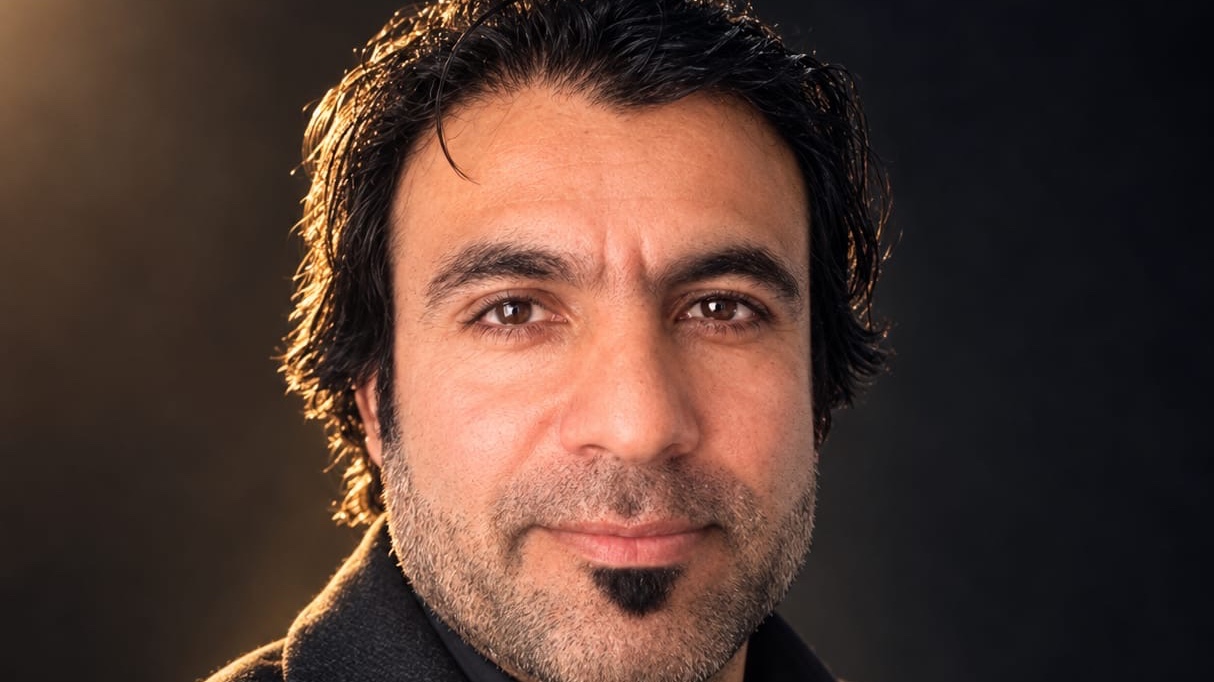




 Mohammad Qayoum Sial
229 views