




Albanian Prime Minister Edi Rama has once again ruled out the possibility of Albania hosting future European Union migrant return hubs designed for rejected asylum seekers.
According to reports cited by Germany's Welt am Sonntag, Rama said Albania would not accept EU plans to establish so-called "return hubs" on its territory.
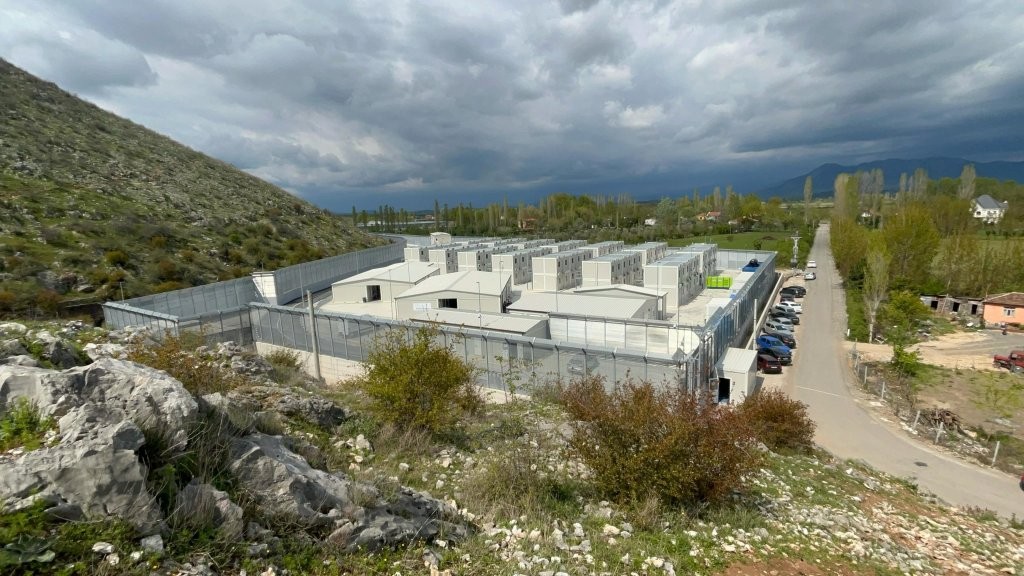
The Albanian leader noted that his government's previous agreement with Italy to host two migration-related facilities was a special arrangement based on the close relationship between the two countries.
Rama reportedly described Italy as Albania's closest European partner and stressed that the agreement should not be viewed as a model for broader EU migration policies.
"Building centers in third countries alone is not the solution," Rama was quoted as saying.
Albanian authorities have repeatedly stated that their migration cooperation agreement applies exclusively to Italy and does not extend to other European countries.
Rama's remarks come shortly after EU interior ministers approved the bloc's new EU Return Regulation, creating a legal framework for establishing migrant return centers in non-EU countries.
The policy is intended to facilitate the return of rejected asylum seekers and certain migrants who cannot be sent back to their countries of origin.
Most EU member states backed the proposal, while Spain opposed it.
Several countries, including Germany, Austria, Greece, Denmark, and the Netherlands, have been among the strongest advocates of the initiative.

Albanian Prime Minister Edi Rama says Albania will not host European Union migrant return hubs for rejected asylum seekers. | Photo: Armando Babani / ZUMA Press / dpa / picture alliance
Reports suggest that agreements with partner countries could be reached before the end of 2026.
Among the countries mentioned in discussions about possible return hubs are Rwanda and Uganda.
Rwanda is viewed by some policymakers as a potential option because infrastructure linked to the former UK-Rwanda migration plan could potentially be repurposed if a future EU agreement is reached.
Albania, meanwhile, continues to pursue its long-term goal of European Union membership, a factor analysts say may also influence its reluctance to be viewed as a permanent "third-country" migration destination.