




Afghanistan continues to rely heavily on neighboring countries to meet its electricity needs, according to officials from the country's national power utility.
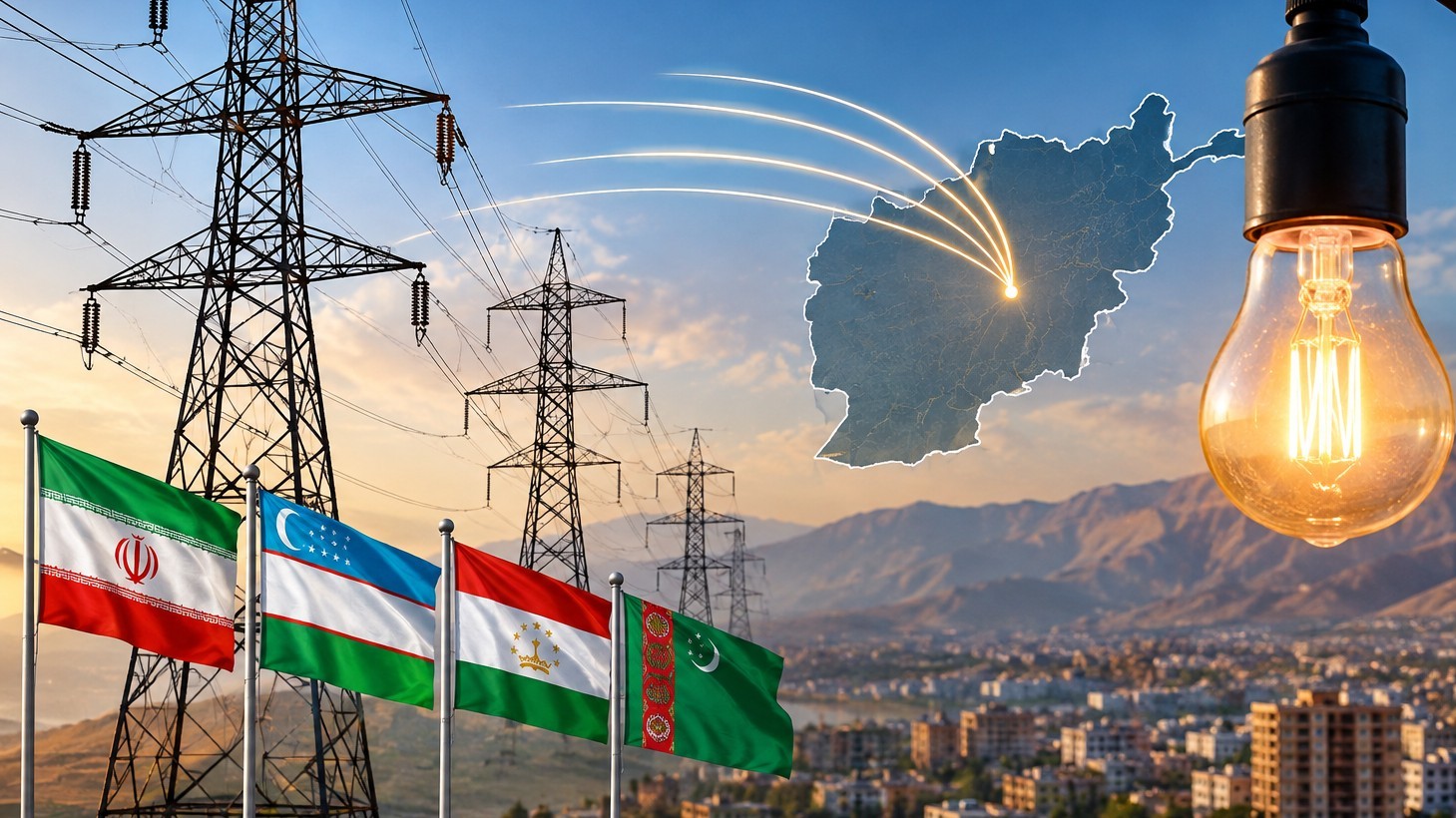
Available figures indicate that Afghanistan spends between $250 million and $300 million annually on imported electricity from Iran, Uzbekistan, Tajikistan, and Turkmenistan.
Current estimates suggest that Afghanistan imports approximately 700 to 800 megawatts of electricity, although volumes vary depending on seasonal demand and supply conditions.
Power utility officials say agreements have been reached with Uzbekistan and Turkmenistan to increase electricity imports. Discussions are also ongoing with Iran and Tajikistan regarding new transmission lines and expanded energy cooperation.
Last year, Afghanistan and Uzbekistan signed agreements for four electricity projects. Once completed, the projects are expected to increase electricity supplies from Uzbekistan to between 800 and 1,000 megawatts.
Meanwhile, Afghan and Tajik officials recently discussed plans to expand electricity imports, improve transmission infrastructure, and construct a new 500-kilovolt power transmission line.
Turkmenistan is also continuing work on a separate 500-kilovolt transmission project aimed at strengthening Afghanistan's power network.
Despite these efforts, electricity shortages and recurring outages remain among the country's most significant challenges, affecting households, businesses, and industrial activities.
Officials say increasing domestic power generation alongside expanding imports will be critical for improving long-term energy security.
The regional CASA-1000 project is also expected to support electricity supplies by transmitting surplus hydropower from Central Asia to Afghanistan and Pakistan.