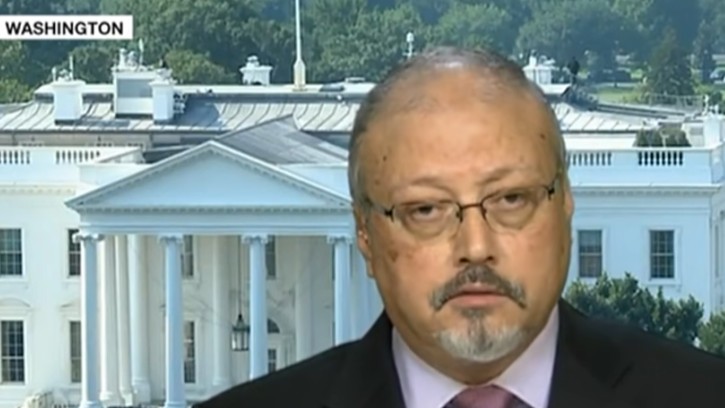
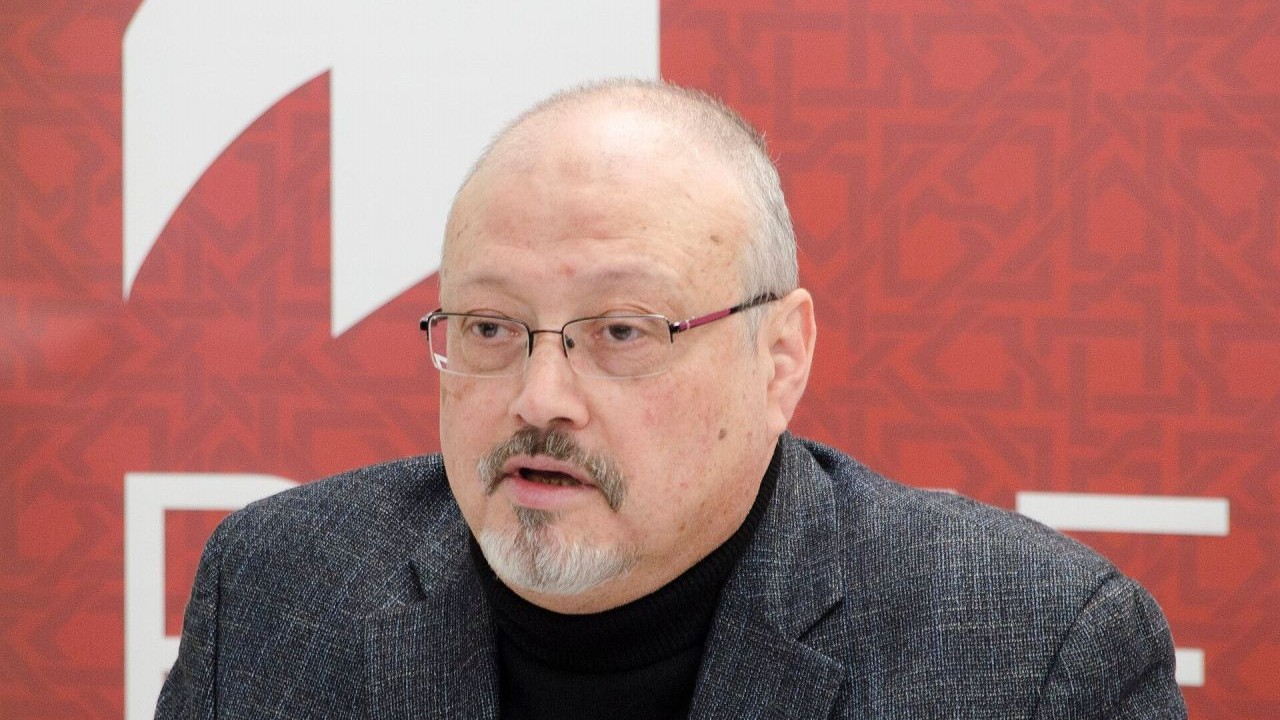



Eight years after Saudi journalist Jamal Khashoggi entered the Saudi consulate in Istanbul and was killed, the International Press Institute (IPI) has renewed its call for an independent criminal investigation and stronger international mechanisms to investigate crimes against journalists.
Khashoggi entered the Saudi consulate on October 2, 2018, to obtain documents needed for his marriage. He never emerged from the building.
According to investigations cited by IPI, Khashoggi was drugged, killed, and his body was dismembered. His remains have never been recovered.
A United Nations inquiry concluded that the killing was "planned, overseen and endorsed" by high-level Saudi officials. A separate U.S. intelligence assessment found that Saudi Crown Prince Mohammed bin Salman approved the operation.
In December 2019, eight unnamed individuals were sentenced following a closed-door trial in Saudi Arabia. Human rights organizations criticized the proceedings, arguing that senior officials avoided accountability.
Turkey later conducted an in absentia trial of 20 Saudi nationals but transferred the case to Saudi Arabia in 2022, effectively ending the judicial proceedings there.
IPI said no senior official has faced consequences for the killing.
The organization also linked Khashoggi's case to broader concerns about journalist safety worldwide. According to a 2024 UNESCO report cited by IPI, 85 percent of journalist killings globally remain unsolved or unpunished, a figure that has changed little over the past decade.
IPI Director of Advocacy Amy Brouillette said the absence of meaningful accountability in Khashoggi's case has become a symbol of the global failure to bring perpetrators of crimes against journalists to justice.
IPI is urging governments and international institutions to strengthen mechanisms for investigating attacks against journalists, including proposals for an international investigative task force.