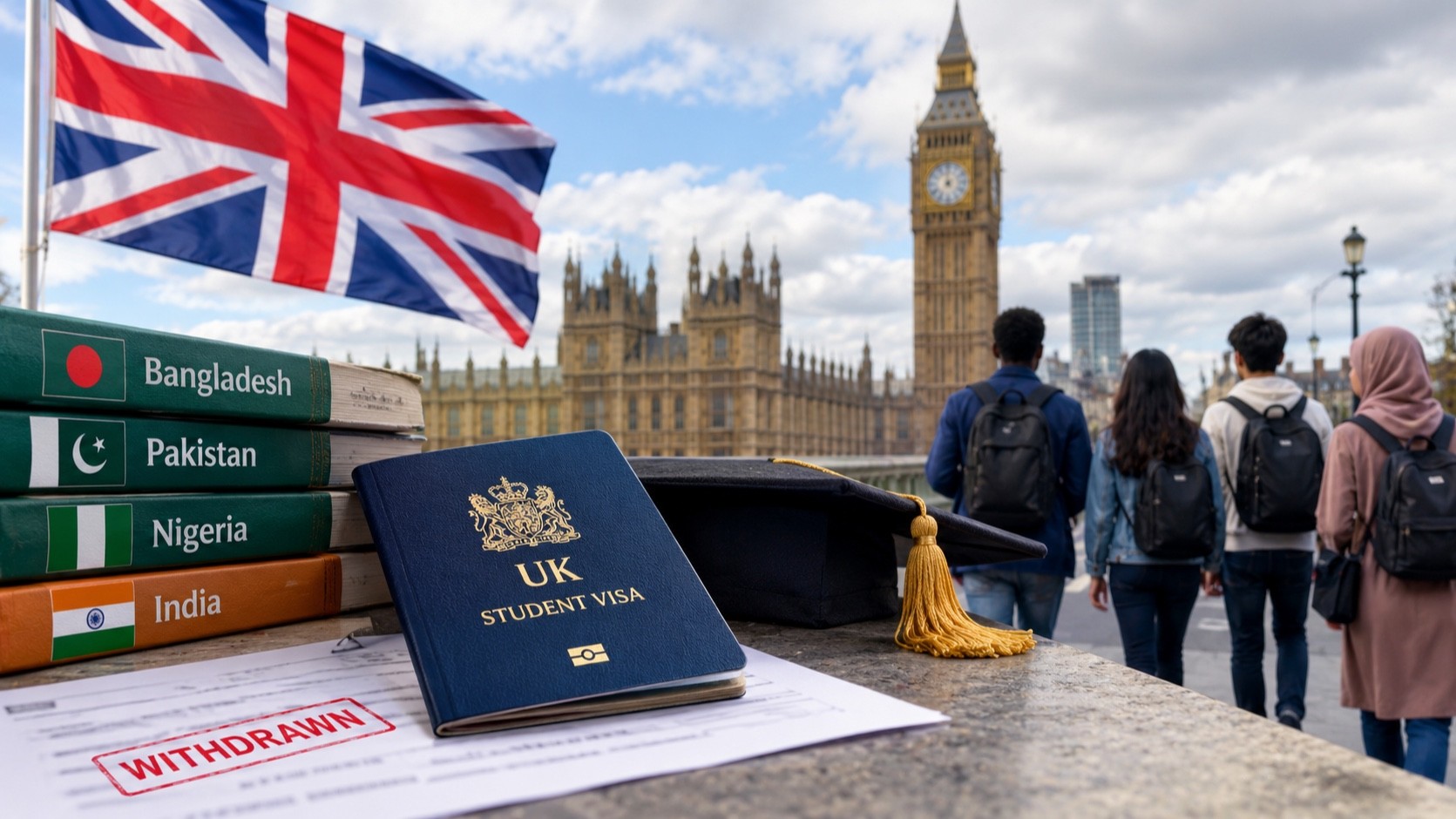
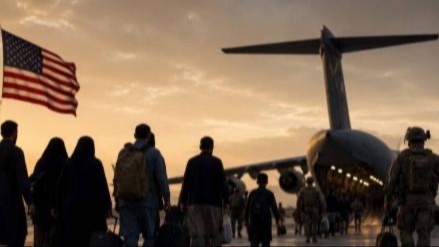
More than six million Afghans have returned from Iran and Pakistan since September 2023, creating one of the largest return movements in the country’s recent history.
The scale of this movement is transforming Afghanistan’s demographic and economic landscape at a time when the country is already struggling with poverty, limited employment opportunities, declining international assistance and weak private-sector investment.
The latest figures from the International Organization for Migration show that approximately 6.04 million Afghans returned between mid-September 2023 and May 30, 2026.
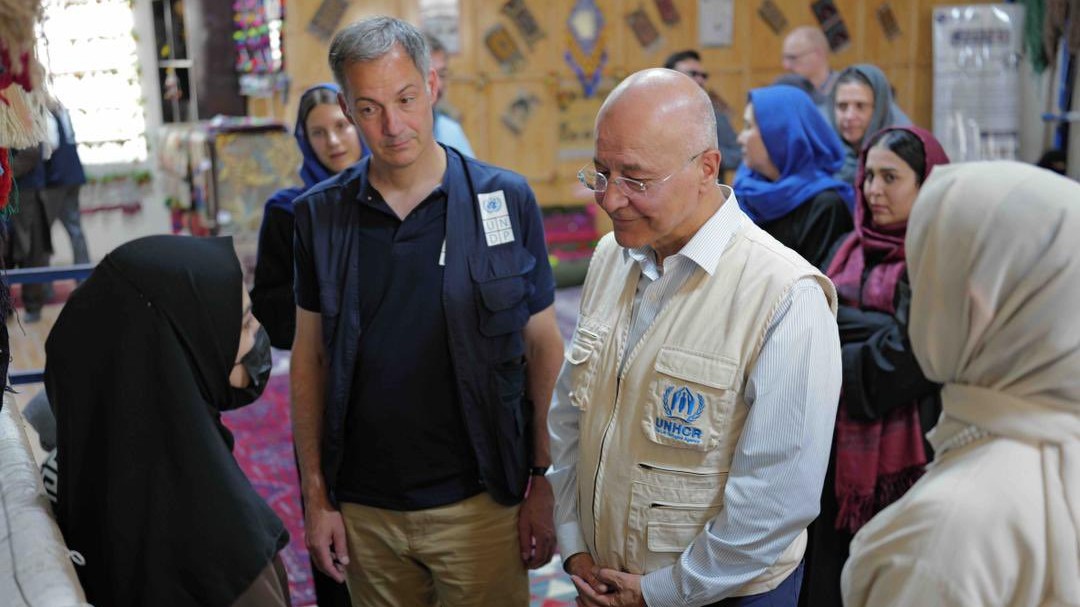
The United Nations has described the speed of the return movement as an enormous pressure on communities that often lack sufficient housing, jobs, documentation, education and basic services.
Many returnees have spent years or even decades outside Afghanistan and are coming back without the assets, networks or employment opportunities necessary to rebuild their lives quickly. (DTM IOM)

The economic consequences are particularly significant.
The World Bank estimates that Afghanistan’s real economy grew by about 4.8 percent in 2025, but this growth has not translated into improved living standards. The return of millions of people increased the population much faster than the economy expanded, contributing to a 5.6 percent decline in GDP per capita. Inflation also accelerated, reaching 7.6 percent by March 2026, while Afghanistan continued to face a large trade deficit and weak investment. In other words, economic growth alone is not sufficient when the number of people needing jobs, housing and services is increasing so rapidly.
This creates a central challenge for Afghanistan: returnees should not be viewed only as a humanitarian burden; they can also become an economic resource if they are properly integrated. Many have acquired skills, work experience and knowledge of foreign markets during their years abroad.
Some have savings, technical abilities or business experience. Turning these assets into productive economic activity would require easier access to finance, vocational training, recognition of professional qualifications, small-business support and investment in areas where returnees are settling.
The immediate danger, however, is that the economy may not create jobs quickly enough. The World Bank has warned that rapid population growth, declining aid, weak investment and structural problems—including unreliable electricity, limited access to finance and widespread informality—are restricting private-sector expansion. If large numbers of returnees remain unemployed or underemployed, pressure on already poor households could increase, potentially encouraging another cycle of migration.
At the same time, Afghanistan’s economic recovery is being complicated by deteriorating relations with Pakistan.
The latest reported Pakistani airstrikes on September 21 in eastern Afghanistan have added another layer of uncertainty. The Associated Press reported that Pakistan said its aircraft targeted militant positions, while Afghan officials and the United Nations reported civilian deaths and injuries and damage to homes and shops in the affected areas. Pakistan has accused Afghanistan of allowing anti-Pakistan militants to operate from Afghan territory, while the Afghan authorities have rejected such accusations and condemned cross-border attacks.
These developments are particularly damaging because Pakistan remains an important trade and transit route for Afghanistan. Crossing closures, insecurity and restrictions on movement can increase transportation costs, disrupt imports and exports and affect businesses on both sides. Earlier this year, the United Nations reported that clashes had already displaced thousands of Afghan households in eastern provinces and that restrictions along the Durand Line had made it more difficult for humanitarian agencies to deliver assistance. (UNAMA)
The human cost of escalation is also considerable. In February, UNAMA reported that Pakistani airstrikes in Nangarhar had killed at least 13 civilians and injured seven, while Afghan authorities reported additional casualties in Paktika. In June, UNAMA reported at least 28 civilians killed and 49 injured in Pakistani strikes in Paktika, Paktya and Kunar. These incidents demonstrate how quickly a security dispute can become a humanitarian and economic problem for ordinary communities living along the border.
For Afghanistan and Pakistan, a sustainable future therefore requires separating legitimate security concerns from measures that impose wider costs on civilians and the regional economy. Pakistan has repeatedly raised concerns about militant attacks originating from Afghan territory, while Kabul has rejected responsibility for such attacks and objected to military action inside Afghanistan. The experience of 2026 suggests that military escalation alone has not resolved the underlying dispute.
China previously helped facilitate efforts that reduced the intensity of fighting, and Russia has also publicly called on both sides to stop attacks on each other and return to negotiations. (Reuters)
Looking ahead, Afghanistan needs a returnee-to-employment strategy rather than a returnee-only humanitarian strategy.
International donors, UN agencies, Afghan authorities and the private sector could focus resources on job creation, vocational training, agriculture, construction, small and medium-sized enterprises, infrastructure and local investment in communities receiving large numbers of returnees. At the same time, Afghanistan and Pakistan need sustained diplomatic and security mechanisms capable of preventing crossing incidents from escalating into wider confrontation. If the six million Afghans returning home can be connected to productive employment and investment—and if regional tensions can be contained—the return movement could eventually contribute to Afghanistan’s economic recovery. If economic pressure and cross-border conflict continue simultaneously, however, the country risks turning a historic population movement into another source of long-term instability.
Sial Yousofi ,
Journalist , Writer


 Sial Yousofi
101 views