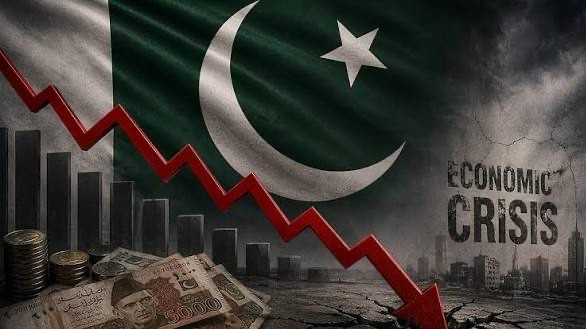




Pakistan’s external debt has nearly doubled over the past decade, according to the World Bank's latest international debt report.
The report shows that Pakistan’s external debt increased from $68.7 billion in 2015 to $135.1 billion in 2025, representing an increase of almost 97 percent over ten years.
According to the report, Pakistan’s external debt grew by approximately 4 percent in 2025 compared with the previous year and now accounts for around 34 percent of the country’s Gross National Income (GNI).
The debt structure includes about $107.1 billion in public and publicly guaranteed debt, while private-sector debt without government guarantees stands at approximately $17.6 billion. Short-term external debt reached around $10.45 billion.
The report identifies China as Pakistan’s largest bilateral lender, with outstanding loans estimated at $22.42 billion.
Among multilateral creditors, the World Bank and the Asian Development Bank (ADB) remain among Pakistan’s most important lending partners.
Pakistan paid approximately $13.7 billion in principal repayments and interest payments on external debt during 2025. Of that amount, nearly $4.8 billion consisted of interest payments alone.
According to the report, Pakistan paid an average interest rate of 3.6 percent on new official loans received in 2025, while new borrowing from private creditors carried an average interest rate of 8.6 percent.
The average repayment period for private loans was only about three years, compared to 16 years for official loans.
The World Bank also found that Pakistan’s external debt now equals approximately 324 percent of annual export earnings, while debt-servicing costs account for about 33 percent of exports.
Analysts say these figures highlight growing concerns about debt sustainability and the impact of rising borrowing costs on future economic growth and investment capacity.